
Understanding the psychology behind gambling habits in casinos
The Allure of the Casino Environment
The casino atmosphere is carefully designed to captivate and engage visitors. With vibrant lights, enticing sounds, and luxurious decor, casinos create an environment that stimulates excitement and anticipation. For those exploring their options, understanding the best casino sites can improve their experience. This sensory overload can lead individuals to lose track of time and money, heightening the appeal of gambling. The psychological principle of operant conditioning is often at play here, as the thrill of winning reinforces behaviors that encourage further gambling.

Moreover, the layout of casinos is strategic, encouraging players to move from one game to another. Slot machines, table games, and other attractions are positioned to maximize exposure and interaction. This design not only enhances the gambling experience but also fosters a sense of community among players, making it easier for individuals to engage in gambling activities for longer periods.
The Role of Cognitive Biases
Cognitive biases significantly impact gambling behavior. Players often fall prey to the illusion of control, believing they can influence the outcome of random games, like slot machines or roulette. This belief can lead individuals to overestimate their chances of winning, prompting them to gamble more frequently. Such biases distort reality and create a compelling reason for continued participation in gambling activities.
Additionally, the gambler’s fallacy plays a crucial role in how people perceive odds and outcomes. Many believe that past events can influence future results in games of chance, leading them to make irrational betting decisions. These cognitive distortions are essential in understanding why individuals persist in gambling, even in the face of repeated losses.
The Impact of Emotions on Gambling Choices
Emotions can significantly influence gambling decisions. Many individuals turn to casinos as a way to cope with stress, anxiety, or boredom. The thrill of gambling can provide a temporary escape from reality, allowing players to experience an adrenaline rush that makes them feel alive. However, this emotional rollercoaster can also lead to compulsive gambling, as the initial thrill becomes intertwined with the need for emotional fulfillment.
Furthermore, emotions like excitement and frustration can drive players to chase losses, resulting in increased gambling behavior. The desire to regain lost money can create a cycle of compulsive gambling, as individuals place bets driven by heightened emotional states rather than rational thought. Understanding this emotional connection is vital for addressing gambling habits and promoting responsible gaming practices.
The Social Aspect of Gambling
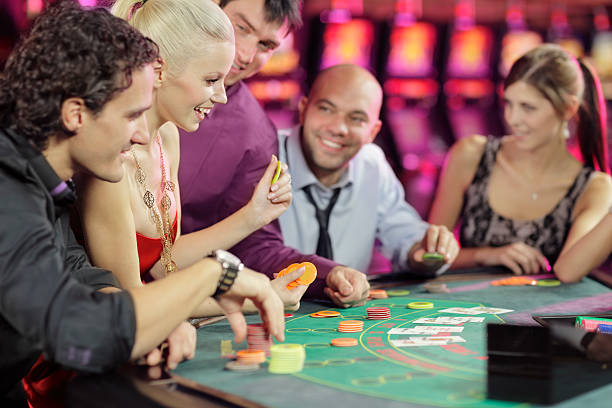
Gambling is often a social activity, where individuals come together to share experiences and create memories. The communal aspect of gambling can reinforce habits, as friends and family members encourage one another to engage in gambling activities. Social interactions within casinos can amplify the thrill of winning and create a supportive environment for continued gambling.
Moreover, peer pressure and social norms can influence gambling behavior, as individuals may feel compelled to participate to fit in or impress others. This social dynamic can lead to increased gambling frequency, as the desire for acceptance can overshadow rational decision-making. Understanding these social influences is crucial for addressing gambling habits and fostering a healthier gaming culture.
Insights and Resources for Responsible Gambling
For those seeking to understand the complexities of gambling habits, many resources offer valuable insights into responsible gambling practices. This website serves as a comprehensive guide, providing information on the psychological aspects of gambling, trends in the industry, and support for individuals struggling with gambling-related issues. By staying informed and understanding the dynamics of gambling behavior, players can make better choices and promote healthier habits.
Engaging with reliable resources can empower individuals to navigate the gambling landscape responsibly. Whether it’s learning about cognitive biases or understanding the impact of emotions, knowledge is key to fostering a balanced approach to gambling. Together, we can work towards a more informed and responsible gaming environment.