
Understanding the psychology behind gambling What makes us take risks
The Allure of Risk-Taking
The psychology of gambling often hinges on the allure of risk-taking. Many individuals are drawn to the excitement that comes with the possibility of winning big. This thrill can trigger the release of dopamine, a neurotransmitter associated with pleasure and reward. As a result, people may find themselves chasing that rush, leading to repeated gambling behaviors. For those looking for alternatives, exploring a no deposit bonus casino not on gamstop could provide a different experience.

This concept of risk-taking isn’t just limited to gambling; it permeates various aspects of life. The desire for adventure or the thrill of the unknown can be a strong motivating factor. This innate attraction to risk can sometimes overshadow the potential consequences, causing individuals to overlook the odds in favor of immediate gratification.
Cognitive Biases and Misconceptions
Cognitive biases play a significant role in gambling behavior. Many gamblers fall prey to the illusion of control, believing they can influence the outcome of games that are fundamentally based on chance. This misconception can lead to overconfidence and further gambling, despite the odds being stacked against them.
Additionally, the gambler’s fallacy, the belief that past events influence future probabilities, can lead to misguided decisions. For example, a player may think a slot machine is “due” for a payout after a series of losses. These cognitive biases not only affect individual choices but can also perpetuate myths surrounding gambling that make it seem more appealing than it truly is.
The Social Aspect of Gambling
Gambling is often a social activity, and this communal aspect can heavily influence decisions. Many individuals participate in gambling as a way to bond with friends or to engage in a shared experience. The social environment can create a sense of belonging that enhances the enjoyment of the activity.
Moreover, peer pressure can play a significant role in risk-taking behavior. When surrounded by friends who are gambling, individuals may feel compelled to join in, even if they would not normally partake. This social dynamic can lead to a heightened willingness to take risks, further complicating the psychology of gambling.
Emotional Triggers and Escapism
Emotions can serve as powerful triggers for gambling behavior. People often turn to gambling as a form of escapism, seeking to alleviate stress, anxiety, or boredom. In these situations, the act of gambling can become a coping mechanism, providing a temporary distraction from personal issues.
This emotional connection can create a cycle where individuals gamble to feel better, but then experience guilt or shame after losses, leading to further gambling in an attempt to regain control or escape their feelings. Understanding these emotional triggers is crucial for recognizing and addressing problematic gambling behavior.
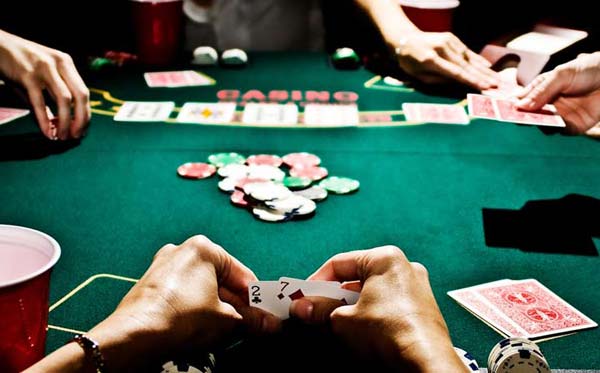
Your Source for Insights into Gaming and Gambling Psychology
As you delve deeper into the psychology of gambling, it’s essential to have reliable sources to guide you. Our website is dedicated to providing insights into various aspects of gaming, including the psychological factors that influence gambling behavior. We aim to foster a community that is informed and engaged, promoting a balanced understanding of the gaming world.
Whether you’re a casual gamer or someone who participates in gambling activities, our content is tailored to help you navigate the complexities of these behaviors. Join us as we explore the intricacies of gaming psychology and its implications on risk-taking. Stay informed with our expert analyses and up-to-date information in the ever-evolving world of gaming.